
Acids, or more specifically hydroxy acids, are natural substances highly valued in cosmetology. This is due not only to their exfoliating properties, but also to their moisturizing, antibacterial, and anti-acne effects. What’s more, they are suitable for everyone, regardless of age, skin type, or skin condition. They are divided into four groups:
These acids occur naturally, mainly in fruits and dairy products, but they can also be produced in a laboratory. They have been known for their medicinal properties for centuries. They are used, among other things, in the production of anticancer drugs and antibiotics.
AHA acids have revolutionized the way we think about exfoliation. Before they came along, removing dead skin cells meant scrubbing the face with products containing abrasive particles. This often led to dryness and irritation, especially for those with sensitive skin.
AHA acids, on the other hand, do not act on the skin’s surface but within the tissue. Once they penetrate the skin’s structure, they regulate the production of keratin plates. The resulting reduction in the layer of dead cells helps eliminate roughness and flaky skin—without the need for manual exfoliation. But that’s not all these acids have to offer.
They are also suitable for oily skin, as they help clear up acne and reduce inflammation.
What’s more, they stimulate the production of mucopolysaccharides and collagen, thereby filling in fine lines and visibly rejuvenating the skin. After the treatment, your skin will appear firmer, younger, and healthier.
In addition, AHA acids can restore the skin’s proper pH balance. As a result, they enhance the skin’s ability to absorb and retain moisture, facilitate tissue nourishment, and brighten a dull complexion. They are particularly effective for regenerating skin that has been dried out by UV rays. Products containing these acids will help you get rid of discoloration.
The most important AHA acids for the skin include:
Depending on their concentration, facial acids can have exfoliating, cleansing, or moisturizing effects. They work best for skin prone to acne, breakouts, or damage caused by sun exposure or smoking.
The concentration also plays a role in how they are used. You can therefore use them occasionally in high doses at a beauty salon, or on your own in slightly lower doses but on a regular basis. Their effectiveness is also enhanced when combined with other natural active ingredients that have regenerative properties.
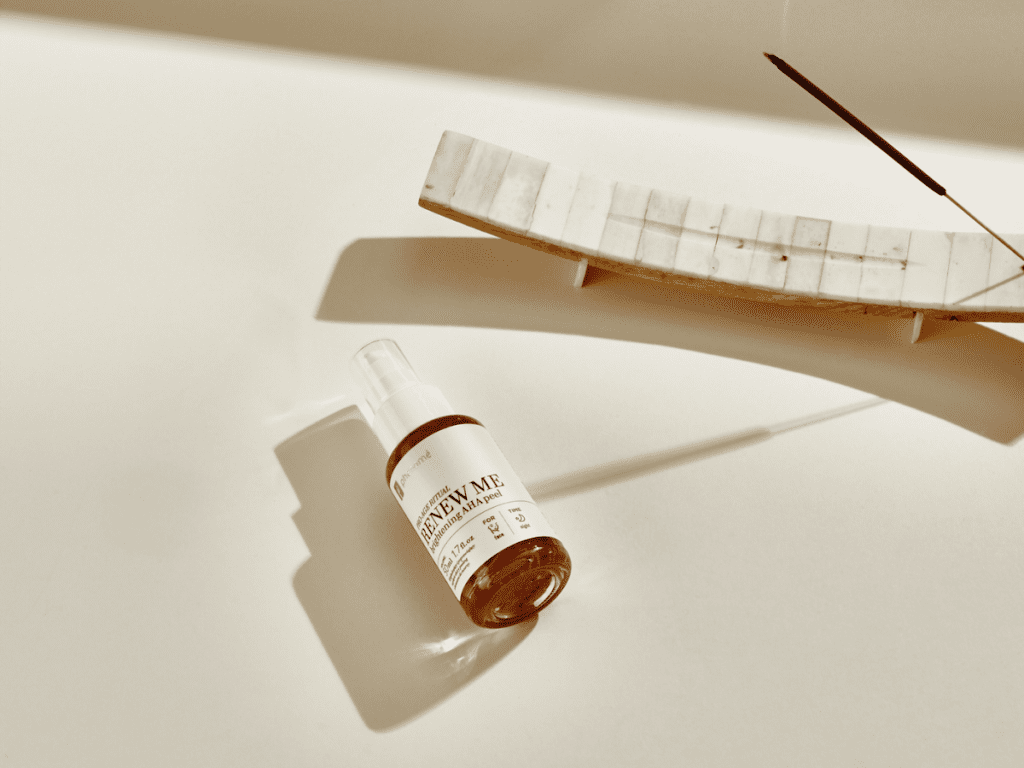
Start your journey with these extraordinary ingredients with RENEW ME, a rejuvenating AHA-based facial peel. This smart exfoliator transforms your skin beyond recognition. Not only does it cleanse, regenerate, and smooth, but it also brightens the skin phenomenally and eliminates discoloration. Its secret lies in the synergy of three acids: citric, glycolic, and lactic. The formula also features green tea extract and aloe vera, which provide additional hydration and antioxidant benefits. The formula is rounded out with soothing D-panthenol, ensuring that even the most sensitive skin is soothed.