
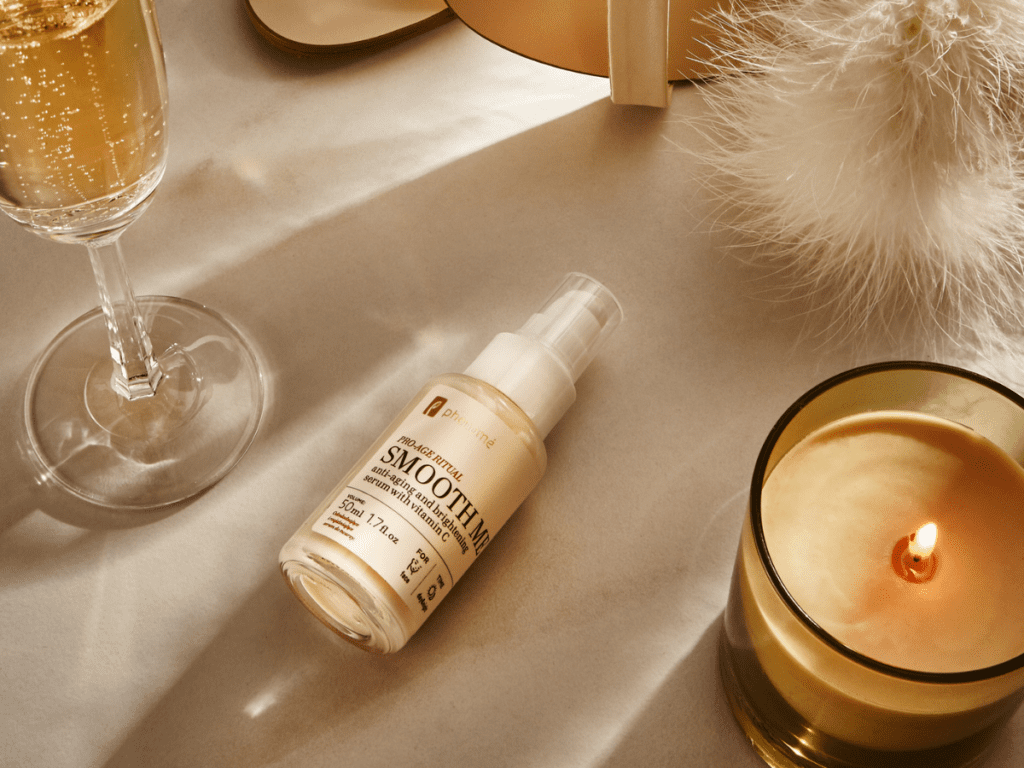
Natural cosmetic products are mostly made from raw materials derived from plants and minerals (and sometimes from animal-derived ingredients), rather than from synthetic or petrochemical compounds. However, there is currently no legal definition of the term “natural cosmetic,” and many companies claim that their products are “natural,” while an analysis of their ingredients, in light of the standards adopted by global organizations involved in the certification of natural cosmetics, reveals something entirely different.
The mere use of natural ingredients in a cosmetic product does not guarantee that it is free of petrochemical and synthetic compounds, nor that such compounds will not accumulate in the human body. It also cannot be ruled out that a natural ingredient in a cosmetic product might cause skin irritation or an allergic reaction.
After all, there are many substances in nature that can pose a potential threat to humans or are even poisonous…
That is why laboratories—as well as the knowledge and experience of a natural cosmetics manufacturer—are so important; such a manufacturer is able to extract from nature what is most valuable—ingredients that are truly effective and, at the same time, the safest for the skin.
It is important to make informed choices from among the products offered by various suppliers. It is important to verify the claims made by manufacturers, as well as the ingredients listed on the labels. It is important to select cosmetics that best match your skin’s needs and condition. An example of Polish cosmetics that meet the rigorous standards set by organizations certifying natural cosmetics is Phenomé—you can read more about why they are truly exceptional here.
The natural raw materials used in the production of organic cosmetics come primarily from organic farms. They are grown and processed in accordance with organic farming standards and are very often certified by independent organizations. Organic farming is practiced without the use of synthetic fertilizers, sewage sludge, or genetically modified organisms (GMOs). They also meet strict criteria regarding animal welfare and environmental safety.
The less aggressive and intensive practices of organic farming help protect the quality of natural resources. Organic farming has a positive impact not only on human health but also on the environment. Because it uses natural fertilizers, it can significantly reduce the amount of toxic chemicals released into the environment, such as pesticides and herbicides, and reduce the amount of chemicals found in drinking water.
Cosmetics, whether natural or organic, should not contain ingredients deemed harmful and listed on the lists of prohibited substances, according to the standards adopted by global certification organizations for natural and organic cosmetics. Despite certain differences between these standards, the basic principles for selecting natural ingredients in line with the concept of “sustainability” remain unchanged. At Phenomé, we know and apply these principles, as well as natural and organic raw materials, as you can see by reading the information on the packaging and in the detailed product descriptions in our online store.
Human skin is the largest organ in the body and one of the most important pathways for eliminating metabolic waste.
Its beauty is a reflection of our health. If anything is wrong with our body—fatigue, stress, illness—it shows in the appearance of our skin. One might think that, aware of this fact, we treat this delicate part of our body with the care it deserves… Nothing could be further from the truth.
Our shopping habits clearly show how often we forget that while our skin protects our body from the harmful effects of external factors, it is itself—more than any other organ—exposed to contact with all the potentially dangerous substances found in the environment, and additionally to the chemicals we use to cleanse or care for our skin. It is therefore worth choosing cleansing and skincare products consciously so as not to expose our skin to unnecessary risks.
This question is only seemingly obvious. There are currently no legal regulations governing natural cosmetics. Manufacturers take advantage of this: the word “natural” is often misused to describe products that consist largely of synthetic substances with only a small amount of natural ingredients.
Many manufacturers highlight in their advertising campaigns just how natural their cosmetics are—packed with nutrients and wonderfully beneficial for our skin and hair.
Products are often advertised this way even though they contain less than 1% natural ingredients, with the majority consisting of cheap synthetic compounds. The way information is presented on labels—and the fact that it’s mixed with advertising slogans touting natural ingredients—makes it sometimes truly difficult to distinguish a natural cosmetic from a conventional one.
When we take even the most expensive cosmetics under the microscope, it turns out that their contents are often made up of the cheapest, synthetic raw materials. In this situation, the only option is to carefully check the list of ingredients on every cosmetic product, known as the INCI list (International Nomenclature of Cosmetic Ingredients). Given the Latin and English names used by the INCI, deciphering the composition of cosmetics requires a fair amount of determination.
But this is the only way to distinguish between natural and organic cosmetics and so-called “natural” products. In our articles, you’ll find plenty of detailed information that will help you understand this topic and become a fully informed consumer.
Natural cosmetics differ from conventional ones primarily in the amount of pure natural ingredients they contain. However, it’s not so easy to tell them apart, because the marketing language manufacturers use to appeal to us doesn’t aim to be precise—it mainly seeks to make a good impression on us. The best natural ingredients come from organic farming, meaning they are grown without the use of synthetic fertilizers, sewage sludge, or genetically modified organisms (GMOs), and meet strict criteria regarding animal welfare and environmental safety. We refer to such substances as organic