
Preservatives prevent the growth of harmful bacteria and fungi. Therefore, they not only extend the product’s shelf life but also ensure its quality.
Preservatives are constantly monitored, and the list of approved substances is regularly updated. To be approved for use, preservatives must meet a number of requirements, including:
So-called parabens are commonly used in popular cosmetics. Although they effectively kill bacteria, their long-term use can be dangerous. Studies indicate that they accumulate under the skin and, as a result, can block lymph nodes and, over time, even lead to breast cancer.
That’s why it’s important to make sure that the preservatives in your cosmetics are derived from natural ingredients. While many manufacturers are quick to use the term “eco-friendly,” only a few can actually boast an organic formula.
The ingredients in natural cosmetics cannot undergo chemical processing, which means they require preservatives even more than synthetic cosmetics.
Natural cosmetics typically use plant-based preservatives, but synthetic alternatives are also permitted.
Essential oils and plant extracts are also commonly added; although they are not officially classified as preservatives, they exhibit antibacterial and antifungal properties. Vitamins also play an important preservative role, particularly vitamins E and C, due to their antioxidant properties and their ability to prevent oils and fats from going rancid.
The following are considered safe preservatives:
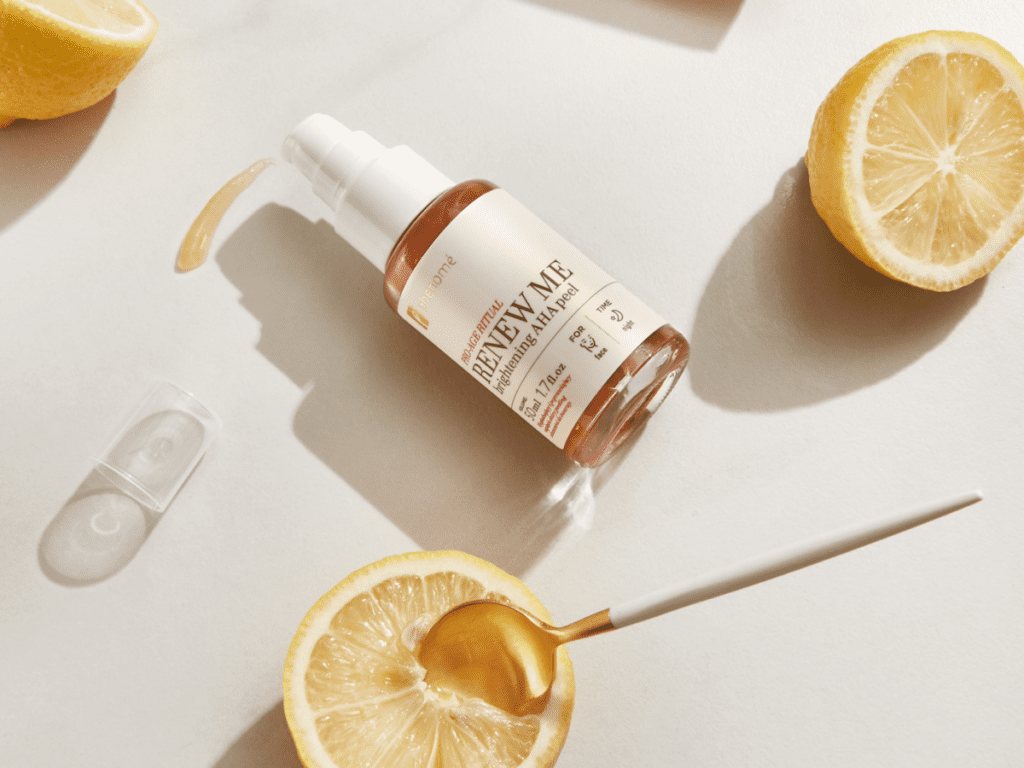
In Phenomé products, however, we use so-called “green” preservatives that have been approved by EcoCert for use in natural cosmetics, which guarantees you the highest quality.
The expiration date on natural cosmetics isn’t just a meaningless legal requirement—it can protect you from skin reactions. Even the best natural cosmetic won’t benefit your beauty once it’s past its expiration date.
A product’s shelf life depends on its ingredients, manufacturing process, and proper storage. The standard in Europe is 30 months from the date of manufacture. Phenomé cosmetics are best used within six months of opening the package.
In addition to the expiration date printed on the product, you can also tell if a cosmetic product has expired by changes in its texture and scent.
Natural cosmetics will last longer if you follow these simple rules: