
In this episode of “The Phenomenon of Women,” Aldona Luterek talks with Dr. Tadeusz Oleszczuk about topics that have long been overlooked: female sexuality, intimacy, our relationship with our own bodies, and the changes we undergo as we age.
It’s a conversation without taboos, without shame, and without judgment.
One of the most important themes of the conversation is debunking the myth that a woman’s sexuality is something unchanging. Dr. Tadeusz emphasizes that a woman’s body changes throughout her life—under the influence of hormones, stress, childbirth, lifestyle, diet, and emotions. The way she experiences pleasure also changes. What once worked “automatically” may, over time, work differently or less effectively.
But, crucially, this is not a loss. It is an invitation to rediscover yourself.
Maturity doesn’t mean the end of pleasure.
Very often, it marks the beginning of a deeper kind of pleasure.
The conversation touches on the concept of a “pleasure map,” which refers to the body’s individual response to stimuli. This map is not set in stone. Erogenous zones can shift, and needs can change.
For some people, touch is more important; for others, it’s breathing, closeness, rhythm, or scent. So the key question isn’t “What’s wrong with me?” but “What does my body need right now?”
It’s a shift in perspective that brings curiosity and relief instead of frustration.
The conversation clearly shows that our relationship with our own bodies translates into our relationship with our partner. In a world full of stimuli, comparisons, and unrealistic images, it’s easy to drift away from ourselves—both from our own needs and from the other person.
A lack of communication about needs, feelings of shame, assumptions, and expectations often lead to misunderstandings. Yet intimacy doesn’t begin with a perfect body or a perfect scenario, but with honesty, mindfulness, and a willingness to communicate.
Another key theme of the conversation is the move away from the pressure to conform to an ideal. Striving for what is “better,” “younger,” or “more” does not always lead to fulfillment. It often distances us from our emotions and genuine pleasure.
Dr. Tadeusz points out that health—including sexual health—begins with awareness. And awareness leads to acceptance: of the body, of emotions, and of the changes that are a natural part of life.
Although the conversation isn’t a guide in the traditional sense, a very clear “recipe” emerges from it:
This approach views health, sexuality, and relationships not as separate domains, but as part of a single experience of being oneself.
This conversation doesn’t offer easy answers. And that is precisely where its strength lies. Instead of ready-made formulas, it invites us to rediscover ourselves—with curiosity, gentleness, and mindfulness.
Closeness isn’t something you “achieve.” It’s something you build—with yourself and with another person. Every day, anew.
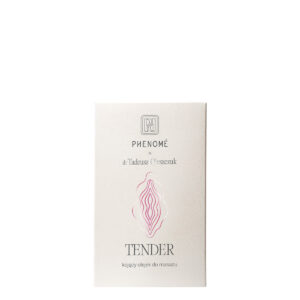
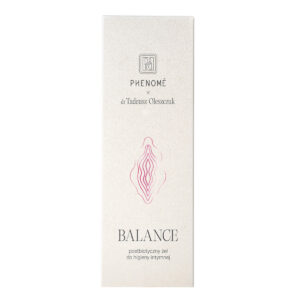
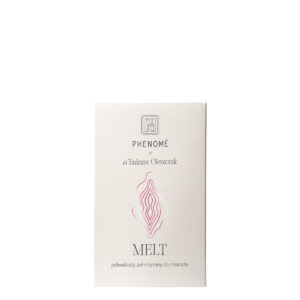
This conversation also served as the starting point for the creation of the new, intimate MAKE LOVE skincare line—born from the combination of Dr. Tadeusz Oleszczuk’s medical expertise and the philosophy of the Phenomé brand, which has been supporting women in mindful self-care for years.