
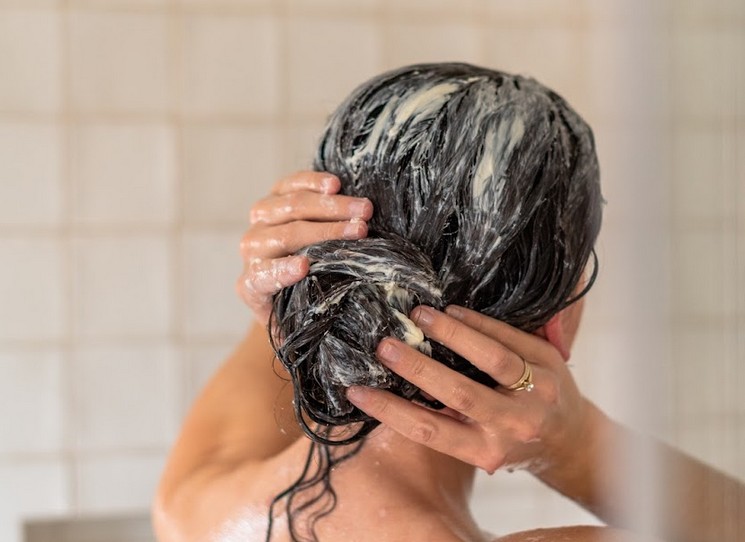
Winter is a challenging time, both for your overall well-being and for your skin and hair. The effects of cold, dry air, wearing a hat, and a diet lacking in fresh fruits and vegetables weaken your hair—and what is the result?
After winter, your hair undoubtedly needs some serious care. The solution lies in natural hair care products that take a holistic approach to keeping your hair healthy. Find out what benefits home hair regeneration can offer you.
What does your hair need after winter?
To restore strong, shiny, and healthy hair, opt for hair regeneration treatments using products that contain natural active ingredients. In the spirit of skinimalism, trust the principle that “less is more.” Instead of overloading your hair with a slew of conditioners, choose high-quality, basic products:
These shampoos, formulated with plant extracts, strengthen the skin’s natural protective barrier and restore softness to the hair.
Let your scalp breathe! A good hair mask is lightweight yet so nourishing that using it just once a week is enough to make your hair easy to comb and give it a healthy, natural shine.
However, choosing the right hair care products isn’t enough. Make sure you’re also providing your body with the essential nutrients it needs to strengthen your hair follicles from the inside out. A diet for healthy hair should be rich in:
A mask for dry hair should be formulated with a carefully balanced blend of natural active ingredients. This allows it to effectively yet gently restore the health of your hair. It’s important that masks for dry hair contain:
A shea butter hair mask will solve the problem of dry, damaged hair.
That’s why you should try the REGENERATING deep-regenerating hair mask for dry, damaged, and frizzy hair, which deeply restores the hair’s structure. Shea butter and buriti oil will instantly restore softness and shine. What’s more, its antioxidant properties help provide lasting protection against harmful external factors. As many as three types of organic oils—jojoba, almond, and coconut—offer a true vitamin-rich treat that will get your hair ready to welcome spring.
Interestingly, this mask is applied before shampooing, not after. For best results, massage it into slightly damp hair and leave it on for 10–15 minutes. Rinse it out, wash your hair with shampoo, and enjoy soft, nourished hair.